
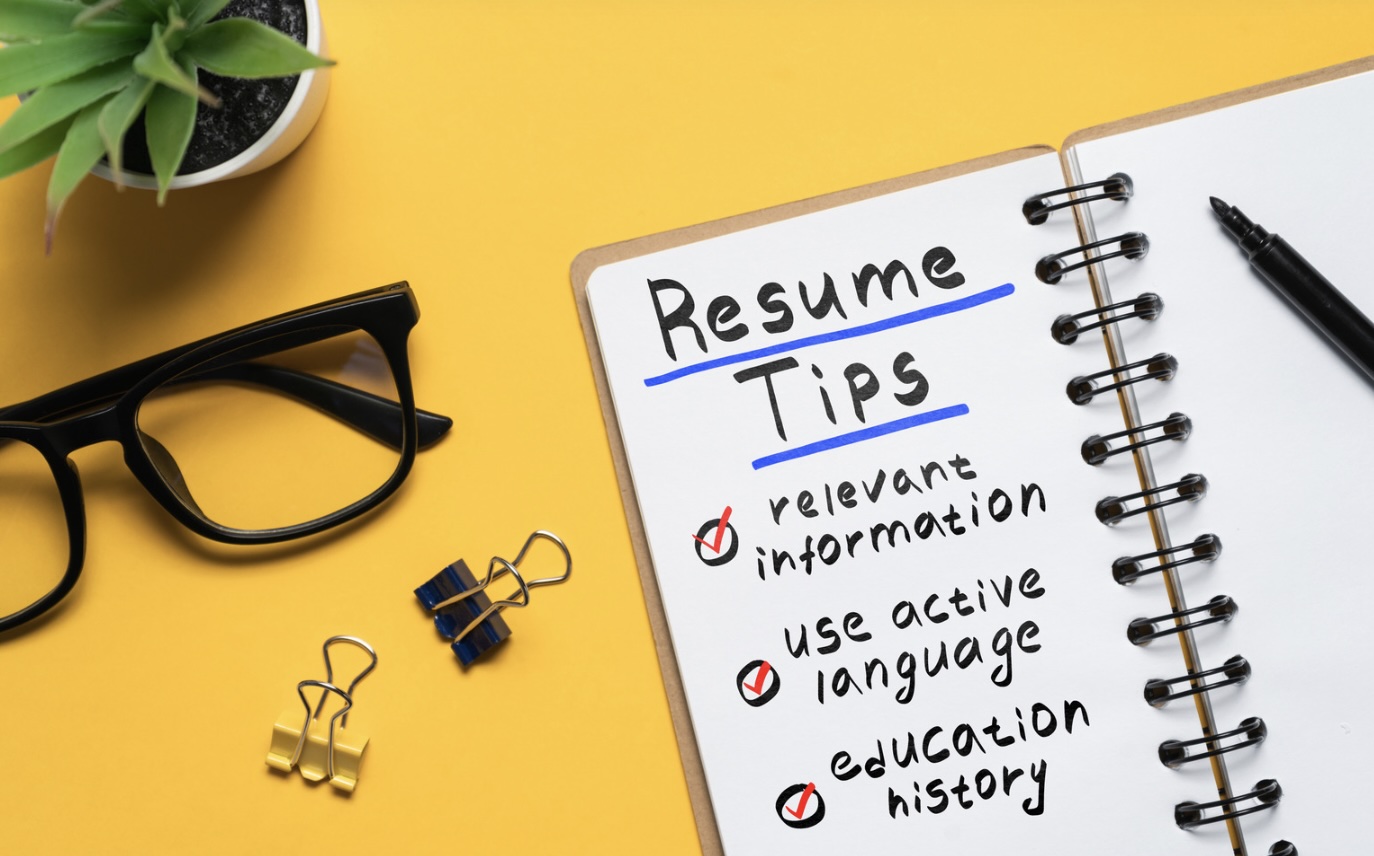
When it comes to writing a resume, most people focus on what they should include when sometimes, what you leave out can be just as important as what you put in.
A resume isn't meant to be a complete record of your working life, it's a marketing document designed to show an employer why you're the right person for the job and if it's cluttered with unnecessary information, your most valuable experience can easily get lost.
Here are three things worth removing from your resume if you want to improve your chances of getting noticed.
1. Outdated or Irrelevant Work Experience
It's tempting to include every job you've ever had, particularly if you've worked hard to build your career. But does that retail job you held 20 years ago really add value to your application for a senior marketing position today? Unless an earlier role demonstrates a transferable skill or experience relevant to the position, it may be time to let it go.
Hiring managers and recruiters want to understand your career progression and what you can bring to their organisation right now. A concise employment history that highlights relevant experience is far more effective than a lengthy list of every position you've held.
The benefit: You'll create space to showcase your most relevant achievements and make it easier for employers to see your suitability for the role.
2. Generic Skills and Overused Buzzwords
Are you a team player, excellent communicator, self-starter and hardworking individual? While these qualities are positive, they're also found on countless resumes. The problem is that generic statements don't tell an employer anything meaningful about you and anyone can claim to be a great communicator, so you need to think about what evidence you can provide to back it up.
Avoid listing vague qualities, demonstrate your abilities through tangible examples and instead of saying you're results-driven, explain exactly how you managed to increase customer engagement, improve a process or deliver a successful project.
The benefit: Replacing buzzwords with evidence makes your resume more credible, memorable and persuasive. It shows employers what you can actually achieve rather than simply telling them what you think of yourself.
3. Personal Information That Doesn't Belong
Your resume should focus on your professional capabilities, not your personal circumstances. Details such as your age, marital status, number of children, religion or a photograph are generally unnecessary in Australian resumes. They take up valuable space and more importantly, they can introduce unconscious bias into the recruitment process.
Similarly, references are usually better provided when requested. There's no need to dedicate valuable resume space to contact details for people who may not even be contacted until much later in the recruitment process.
The benefit: Keeping personal information to a minimum creates a more professional, focused document that encourages employers to assess you on your skills, experience and suitability for the role.
Less Can Be More
A great resume is about making the right impression quickly and this doesn’t include telling your entire life story.
By removing outdated information, replacing generic claims with meaningful achievements and eliminating unnecessary personal details, you'll create a sharper, more targeted resume that gives employers a compelling reason to take the next step.
Remember, the job of your resume is to provide enough information to get you the interview, so focus on making every word count.