
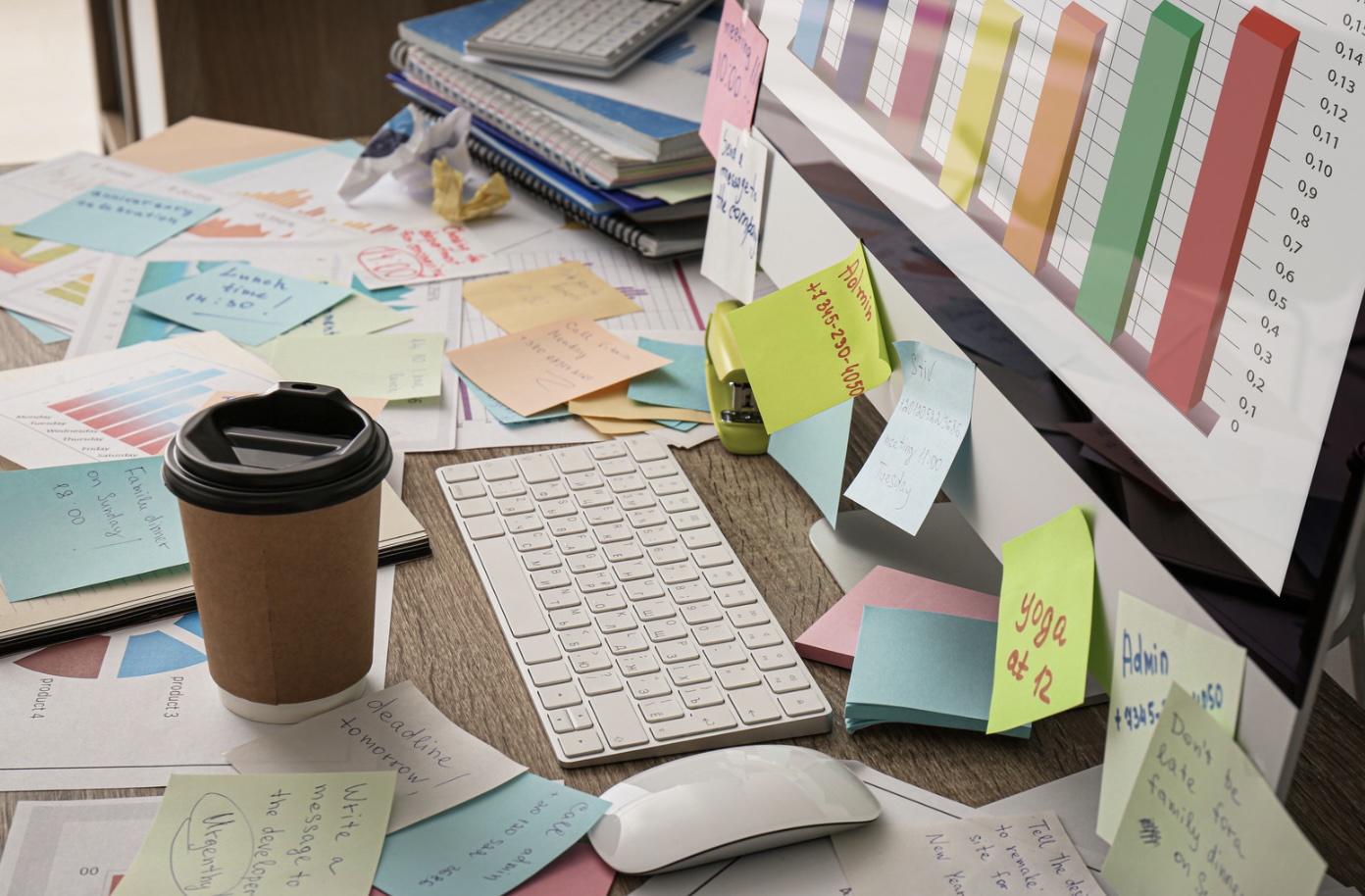
When creative teams are expected to do more with less, something has to give
Designers have always had to juggle competing priorities, tight deadlines and changing briefs, but in many businesses, the expectations placed on them have grown considerably.
Today, a graphic designer might be expected to produce campaign artwork, manage digital assets, create social media content, update packaging, edit video and support the broader marketing team. Add last-minute requests and multiple stakeholders into the mix and it’s easy to see how workloads can quickly become unmanageable.
For managers, the challenge is finding the balance between getting the work done, managing budgets and ensuring the team can continue to produce quality work.
When one role becomes three
It’s understandable that businesses want to maximise the value of their employees. When budgets are tight, asking existing team members to take on additional responsibilities can seem like the most practical solution, however, the problem arises when those extra responsibilities become the norm rather than the exception.
A designer who spends most of their time turning around artwork and adapting existing assets may have little capacity left for more considered creative work. Someone who is excellent at graphic design may not necessarily have the skills, experience or interest required to manage digital campaigns, motion graphics or broader marketing activities.
The result can be a team that is constantly busy but struggling to deliver the quality, creativity or output the business needs.
The hidden cost of doing more with less
When workloads become excessive, the impact isn't always immediately obvious.
Deadlines may still be met, but creative thinking can suffer. Quality checks may be rushed, projects take longer than expected and managers spend more time chasing progress or reallocating work.
Over time, the pressure can also affect morale and increase the risk of losing good people. Replacing an experienced designer can be costly, particularly when you consider the time required to recruit, onboard and get someone new up to speed.
It's worth asking whether the apparent savings from running a lean team are being offset by reduced productivity, missed opportunities or the cost of employee turnover.
Does the role still make sense?
If your team is struggling to keep up, it may be worth stepping back and looking at how the work is allocated.
A few questions to consider:
Are responsibilities realistic?
Does each person have the skills and capacity to manage what is being asked of them?What's taking up the most time?
Is valuable creative time being consumed by repetitive artwork, production tasks or administrative work?Are priorities clear?
Does the team know what matters most when everything seems urgent?Would additional support make a difference?
Could a temporary designer help manage a busy period, or would a permanent hire provide the capability the team is missing?Are you making the most of existing strengths?
Could responsibilities be better aligned with each person's experience and expertise?
Adding another employee isn’t necessarily the best solution as sometimes improving processes, providing clearer briefs, being more realistic deadlines or having a rethink around priorities can also make a significant difference.
In other situations when the workload genuinely exceeds the team's capacity, additional support is the most sensible solution.
Getting the balance right
A well-managed creative team needs more than talented people. It needs realistic expectations, clear priorities and the right mix of skills to deliver the work required. Much can be achieved simply by understanding what you’re asking people to do, recognising where the pressure points are and making informed decisions about how the work gets done.
Ultimately, the goal is to give your team the capacity to produce great work, meet business objectives and continue to enjoy what they do.
A question worth asking: Is your team structured to deliver the work you need today, or are you relying on everyone to keep stretching a little further? Sometimes, that small distinction can make a big difference.